High Visibility Clothing Standards: A Complete Guide for Workplace Safety
Introduction
In many industries such as construction, road maintenance, logistics, mining, and transportation, workers operate in environments where visibility is critical for safety. Poor lighting, heavy machinery, moving vehicles, and busy worksites can create dangerous situations where workers may not be easily seen.
To reduce the risk of accidents, high visibility clothing is widely used as a key component of workplace safety. These garments are designed to make workers highly visible in both daylight and low-light conditions.
High visibility clothing is not just bright-colored clothing. It must meet specific safety standards and regulations that ensure proper visibility and protection in hazardous environments.
In this guide, we will explain high visibility clothing standards, their importance, classifications, materials, and how to choose compliant safety garments for industrial workplaces.
What is High Visibility Clothing?
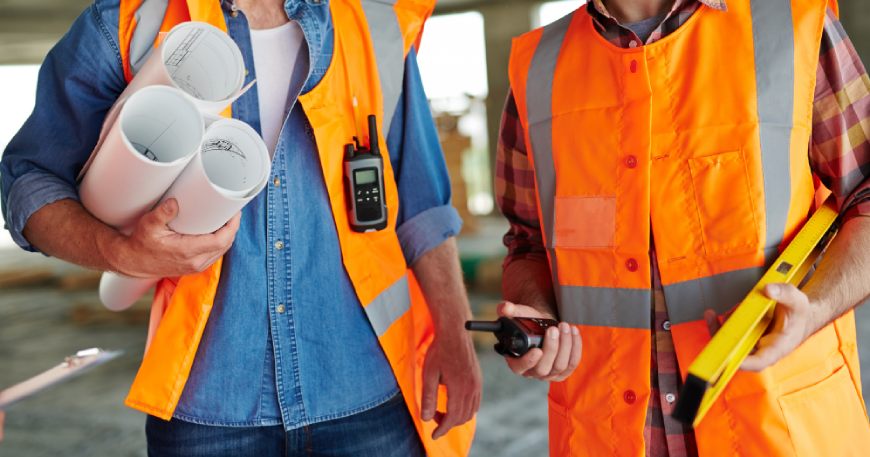
High visibility clothing (also known as hi-vis clothing) is specialized protective apparel designed to make workers more visible to others in their environment. These garments use bright fluorescent colors and reflective materials that enhance visibility in daylight, nighttime, and low-light conditions.
The main purpose of high visibility clothing is to reduce accidents by ensuring workers can be easily seen by drivers, equipment operators, and other workers.
High visibility clothing is commonly used in industries where workers are exposed to traffic, heavy equipment, or hazardous work environments.
Why High Visibility Clothing Standards Are Important
High visibility clothing standards are established to ensure that safety garments provide adequate visibility and protection. Without standardized guidelines, safety clothing may not offer sufficient protection in hazardous conditions.
Reducing Workplace Accidents
One of the primary goals of high visibility clothing standards is to prevent accidents. Workers who are clearly visible are less likely to be struck by vehicles or machinery.
Ensuring Consistent Safety Quality
Standards define the required levels of brightness, reflective material, and garment design. This ensures that all certified garments meet minimum safety requirements.
Regulatory Compliance
Many industries are required by safety regulations to provide workers with compliant high visibility clothing. Following approved standards helps companies meet safety obligations.
Improving Worker Safety Awareness
When workers wear high visibility clothing, it reminds everyone on-site to maintain awareness of safety conditions and potential hazards.
Key High Visibility Clothing Standards
Several international organizations have developed standards for high visibility clothing. These standards ensure garments provide adequate visibility and safety performance.
ANSI/ISEA 107 Standard
The ANSI/ISEA 107 standard is widely used in the United States. It specifies requirements for high visibility safety apparel, including:
-
Minimum fluorescent fabric area
-
Reflective tape placement
-
Garment design
-
Visibility performance
This standard categorizes garments into different performance classes depending on the level of risk in the work environment.
EN ISO 20471 Standard
The EN ISO 20471 standard is used in Europe and many international markets. It defines requirements for high visibility clothing used in professional environments.
This standard ensures that garments provide high levels of visibility in both daylight and nighttime conditions.
The EN ISO 20471 standard also categorizes garments based on the amount of reflective and fluorescent material used.
CSA Z96 Standard
In Canada, high visibility clothing must comply with the CSA Z96 standard. This standard outlines performance requirements for safety garments used in hazardous environments.
CSA Z96 focuses on visibility in both daytime and nighttime working conditions.
Classes of High Visibility Clothing
High visibility clothing is divided into different classes based on the level of visibility required.
Class 1
Class 1 garments provide the lowest level of visibility. These garments are suitable for environments with minimal traffic or hazards.
Examples include:
-
Parking attendants
-
Warehouse workers
-
Delivery drivers in controlled environments
Class 2
Class 2 garments provide moderate visibility and are commonly used in industries where workers operate near traffic or moving equipment.
Typical users include:
-
Construction workers
-
Road maintenance crews
-
Utility workers
These garments usually include reflective strips and larger fluorescent fabric areas.
Class 3
Class 3 garments provide the highest level of visibility and are designed for workers in high-risk environments.
Examples include:
-
Highway construction workers
-
Emergency responders
-
Roadside workers
-
Airport ground staff
These garments provide maximum visibility by covering more of the body with reflective and fluorescent materials.
Materials Used in High Visibility Clothing
High visibility clothing is made from specialized materials designed to enhance visibility.
Fluorescent Fabrics
Fluorescent fabrics are bright-colored materials that enhance visibility during daylight conditions. Common colors include:
-
Fluorescent yellow
-
Fluorescent orange
-
Fluorescent green
These colors stand out against most backgrounds, making workers easier to see.
Reflective Tape
Reflective tape is applied to high visibility garments to improve visibility at night or in low-light conditions.
When light from vehicle headlights hits the reflective tape, it reflects the light back toward the source, making the wearer highly visible.
Durable Workwear Fabrics
High visibility clothing is typically made from durable materials such as polyester or polyester blends that can withstand tough working conditions.
Industries That Require High Visibility Clothing
Many industries rely on high visibility clothing to protect workers from potential hazards.
Construction Industry
Construction workers often work near moving vehicles and heavy machinery. High visibility clothing helps prevent accidents in busy construction zones.
Road and Traffic Management
Workers involved in road construction and traffic control require high visibility clothing to remain visible to drivers.
Logistics and Warehousing
Warehouse workers operating forklifts or heavy equipment benefit from wearing high visibility garments.
Mining and Industrial Operations
High visibility clothing helps improve worker safety in environments with large equipment and limited lighting.
Emergency Services
Emergency responders such as firefighters, police officers, and rescue workers require high visibility clothing to remain visible during emergency operations.
How to Choose the Right High Visibility Clothing
Selecting the correct high visibility clothing depends on workplace conditions and safety requirements.
Evaluate Workplace Risks
Employers should assess potential hazards and determine the level of visibility required for workers.
Choose the Correct Safety Class
Selecting the appropriate class of high visibility clothing ensures workers receive adequate protection.
Consider Comfort and Fit
Workers should be able to move comfortably while wearing high visibility garments.
Lightweight, breathable materials help maintain comfort during long shifts.
Ensure Compliance with Standards
Always select garments that meet recognized safety standards such as ANSI/ISEA 107 or EN ISO 20471.
Maintenance and Care of High Visibility Clothing
Proper maintenance ensures safety garments remain effective.
Regular Inspection
Workers should check garments for damage, fading, or worn-out reflective tape.
Proper Washing
Frequent washing can reduce the effectiveness of reflective materials. Follow manufacturer guidelines for cleaning.
Replace When Necessary
High visibility clothing should be replaced when reflective materials lose effectiveness or the garment becomes damaged.
Benefits of High Visibility Clothing
Using high visibility clothing provides many safety benefits, including:
-
Reduced workplace accidents
-
Improved worker visibility
-
Compliance with safety regulations
-
Increased worker confidence
-
Enhanced workplace safety culture
Conclusion
High visibility clothing plays a vital role in workplace safety, especially in industries where workers are exposed to traffic, machinery, and hazardous environments. By making workers more visible in both daylight and low-light conditions, these garments significantly reduce the risk of accidents.
Understanding high visibility clothing standards helps employers choose the right protective garments and maintain compliance with safety regulations.
Investing in high-quality, compliant high visibility clothing ensures better protection for workers and contributes to a safer work environment.
FAQs
What is high visibility clothing?
High visibility clothing is safety apparel designed to make workers more visible in hazardous environments.
What colors are used for high visibility clothing?
Common colors include fluorescent yellow, fluorescent orange, and fluorescent green.
What is the difference between Class 1, 2, and 3 high visibility clothing?
The classes represent different levels of visibility protection, with Class 3 providing the highest level.
Which industries require high visibility clothing?
Industries such as construction, transportation, logistics, mining, and emergency services commonly require high visibility garments.
How often should high visibility clothing be replaced?
It should be replaced when reflective materials fade, the garment becomes damaged, or visibility performance decreases.