
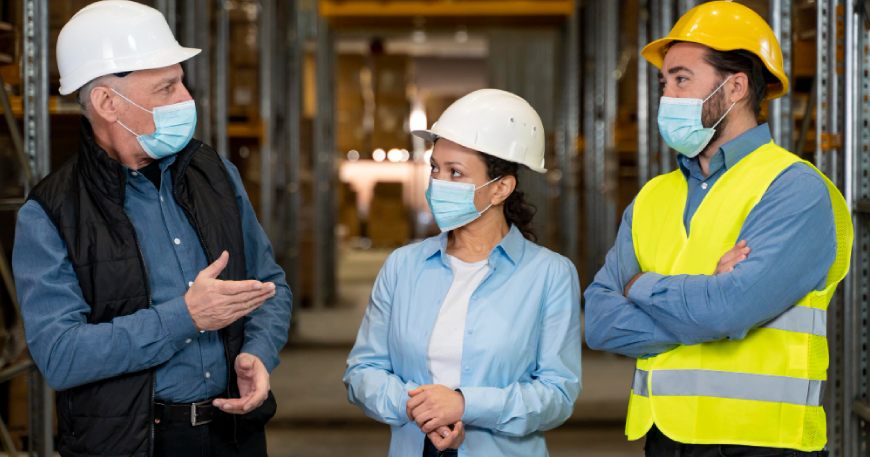
Importance of PPE in Industrial Safety
Introduction
Industrial workplaces such as construction sites, manufacturing plants, oil & gas facilities, chemical plants, and power generation units involve numerous hazards that can pose serious risks to workers. From exposure to harmful chemicals and extreme heat to risks of falling objects and machinery accidents, workplace hazards are unavoidable in many industries.
This is where Personal Protective Equipment (PPE) plays a crucial role. PPE acts as the last line of defense between workers and potential workplace dangers. When properly selected and used, PPE significantly reduces the risk of injuries, illnesses, and fatalities in industrial environments.
In this article, we will explore the importance of PPE in industrial safety, the different types of PPE, workplace benefits, and best practices for proper usage.
What is Personal Protective Equipment (PPE)?
Personal Protective Equipment (PPE) refers to specialized clothing or equipment worn by workers to protect themselves from workplace hazards. PPE is designed to minimize exposure to risks that could cause injuries or occupational illnesses.
Common workplace hazards include:
-
Chemical exposure
-
Heat and fire hazards
-
Falling objects
-
Sharp materials
-
Electrical risks
-
Harmful dust and airborne particles
-
Noise pollution
PPE helps protect workers when engineering controls or administrative safety measures cannot completely eliminate these risks.
Why PPE is Important in Industrial Safety
1. Protects Workers from Workplace Hazards
Industrial environments contain multiple safety risks. PPE protects workers from direct exposure to these dangers. For example, flame-resistant coveralls protect workers from fire hazards in oil & gas industries, while safety helmets protect workers from falling objects on construction sites.
Without PPE, workers would be far more vulnerable to severe injuries.
2. Reduces Workplace Injuries and Fatalities
According to workplace safety reports worldwide, many accidents could be prevented with proper safety gear. PPE helps reduce incidents such as:
-
Head injuries
-
Burns
-
Eye damage
-
Chemical exposure
-
Respiratory problems
-
Cuts and punctures
By wearing appropriate protective equipment, workers significantly reduce the chances of serious injuries.
3. Ensures Compliance with Safety Regulations
Governments and international safety organizations require companies to follow strict workplace safety regulations. These regulations mandate the use of PPE in hazardous work environments.
Companies that fail to provide adequate PPE may face:
-
Legal penalties
-
Workplace shutdowns
-
Compensation claims
-
Damage to company reputation
Providing PPE ensures compliance with industrial safety standards and protects both workers and employers.
4. Improves Worker Confidence and Productivity
Workers feel safer and more confident when they are properly protected. A safe working environment boosts morale and improves productivity.
When employees know their safety is prioritized, they are more focused on their tasks instead of worrying about workplace hazards.
5. Prevents Long-Term Occupational Health Issues
Many workplace hazards cause long-term health problems rather than immediate injuries.
Examples include:
-
Hearing loss from excessive noise
-
Lung diseases from dust exposure
-
Skin disorders from chemicals
-
Respiratory problems from toxic fumes
PPE such as respirators, ear protection, and protective gloves helps prevent these chronic occupational illnesses.
Types of PPE Used in Industrial Workplaces
Different industries require different types of PPE depending on the risks involved.
1. Head Protection
Head injuries are common in construction, manufacturing, and industrial environments.
Common head protection PPE includes:
-
Safety helmets
-
Hard hats
-
Bump caps
These protect workers from falling objects, electrical hazards, and accidental head impacts.
2. Eye and Face Protection
Workers exposed to flying particles, chemicals, or welding sparks require eye protection.
Examples include:
-
Safety goggles
-
Face shields
-
Welding helmets
These prevent eye injuries and vision damage.
3. Protective Clothing
Protective clothing shields workers from heat, chemicals, flames, and environmental hazards.
Examples include:
-
Industrial coveralls
-
Flame-resistant (FR) clothing
-
Chemical-resistant suits
-
High-visibility workwear
Protective garments are widely used in industries such as oil & gas, manufacturing, construction, and firefighting.
4. Hand Protection
Hands are among the most frequently injured body parts in industrial work.
Common hand protection PPE includes:
-
Safety gloves
-
Cut-resistant gloves
-
Chemical-resistant gloves
-
Heat-resistant gloves
Gloves protect workers from burns, cuts, chemical exposure, and abrasions.
5. Foot Protection
Industrial workplaces often involve heavy equipment and hazardous surfaces.
Safety footwear protects workers from:
-
Falling objects
-
Sharp materials
-
Slips and falls
-
Electrical hazards
Examples include:
-
Steel-toe safety boots
-
Anti-slip work shoes
-
Electrical hazard boots
6. Respiratory Protection
In environments with dust, toxic gases, or chemical vapors, respiratory protection is essential.
Examples include:
-
Respirators
-
Dust masks
-
Air-purifying respirators
-
Self-contained breathing apparatus (SCBA)
These devices protect workers from inhaling harmful substances.
7. Hearing Protection
Industrial machinery often produces high noise levels that can damage hearing over time.
Hearing protection PPE includes:
-
Earplugs
-
Earmuffs
These reduce noise exposure and protect workers from hearing loss.
Industries That Require PPE
Many industries rely heavily on PPE to protect workers.
Construction Industry
Construction sites involve hazards such as falling objects, heavy machinery, and electrical risks. PPE like helmets, safety boots, gloves, and high-visibility clothing are essential.
Oil and Gas Industry
Workers in oil and gas operations face risks such as fire, explosions, and chemical exposure. Flame-resistant clothing and protective coveralls are critical for worker safety.
Manufacturing Industry
Manufacturing facilities often involve machinery, sharp tools, and hazardous materials. PPE helps protect workers from mechanical injuries and chemical exposure.
Mining Industry
Mining environments expose workers to dust, falling rocks, and confined spaces. Respirators, helmets, and protective clothing are essential.
Chemical Industry
Chemical plants require specialized PPE to protect workers from toxic substances, corrosive chemicals, and dangerous fumes.
Best Practices for PPE Usage
Providing PPE alone is not enough. Workers must use it properly to ensure maximum protection.
Proper PPE Selection
Employers must select PPE that is appropriate for specific workplace hazards.
Factors to consider include:
-
Type of hazard
-
Level of protection required
-
Comfort and fit
-
Compliance with safety standards
Regular Training for Workers
Employees should receive proper training on:
-
How to wear PPE correctly
-
When PPE should be used
-
PPE maintenance and inspection
Training ensures workers understand the importance of safety gear.
Proper Maintenance and Inspection
Damaged or worn-out PPE can fail to provide protection.
Regular inspection ensures equipment remains effective. Workers should immediately replace PPE that is:
-
Torn
-
Cracked
-
Broken
-
Contaminated
Encouraging Safety Culture
Companies should promote a strong workplace safety culture.
This includes:
-
Mandatory PPE policies
-
Safety awareness programs
-
Regular workplace inspections
A safety-focused environment ensures PPE usage becomes a standard practice.
Challenges in PPE Implementation
Despite its importance, PPE usage can sometimes face challenges.
Common issues include:
-
Worker discomfort
-
Improper fit
-
Lack of training
-
Poor quality equipment
Companies must address these issues by providing high-quality PPE and proper training.
The Future of PPE in Industrial Safety
Technological advancements are improving PPE design and performance.
Modern PPE innovations include:
-
Smart safety helmets with sensors
-
Advanced flame-resistant fabrics
-
Lightweight protective clothing
-
Smart wearables for worker monitoring
These innovations enhance both worker safety and comfort.
Conclusion
Personal Protective Equipment (PPE) plays a vital role in ensuring industrial workplace safety. It protects workers from a wide range of hazards, reduces workplace injuries, and ensures compliance with safety regulations.
However, PPE is effective only when it is properly selected, worn, maintained, and supported by strong safety policies.
Employers must invest in high-quality PPE and provide proper training to workers. By doing so, industries can create safer workplaces, protect employees, and improve overall productivity.
In hazardous environments, PPE is not just equipment — it is a critical safeguard that protects lives every day.
FAQs About PPE in Industrial Safety
What does PPE stand for in industrial safety?
PPE stands for Personal Protective Equipment, which includes safety gear designed to protect workers from workplace hazards.
Why is PPE important in industrial workplaces?
PPE protects workers from injuries, chemical exposure, fire hazards, and other workplace dangers.
What are the main types of PPE?
Major types include head protection, eye protection, protective clothing, gloves, safety footwear, respiratory protection, and hearing protection.
Who is responsible for providing PPE?
Employers are responsible for providing appropriate PPE and ensuring workers use it correctly.
How often should PPE be inspected?
PPE should be inspected regularly before use and replaced immediately if damaged or worn out.