
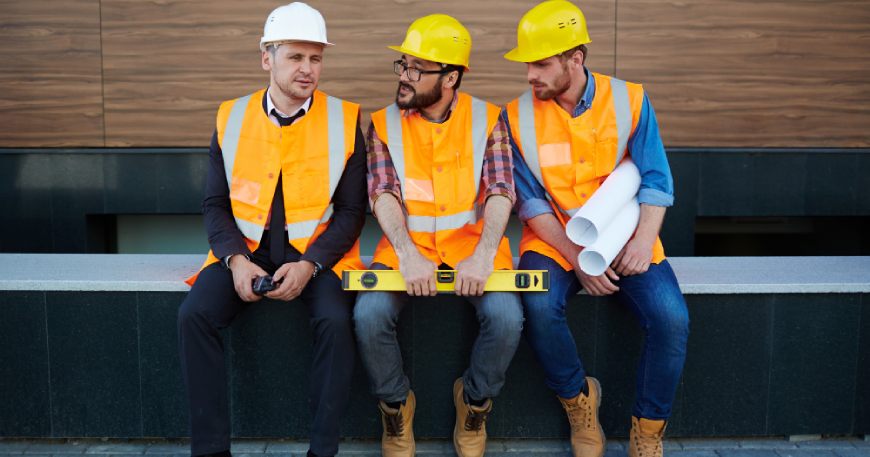
Workwear Trends in Industrial Safety: Innovations Shaping the Future of Workplace Protection
Introduction
Industrial workplaces are constantly evolving with new technologies, stricter safety regulations, and growing awareness of worker well-being. As industries such as construction, manufacturing, oil & gas, mining, and logistics continue to expand, the importance of high-quality industrial workwear has become greater than ever.
Modern workwear is no longer limited to basic protective clothing. Today’s industrial safety apparel combines advanced fabrics, ergonomic design, smart technology, and sustainability to improve worker safety and productivity.
Companies across the world are investing in innovative workwear solutions that not only protect employees but also enhance comfort, durability, and efficiency. These developments are shaping the future of workplace safety.
In this article, we explore the latest workwear trends in industrial safety, the innovations driving these changes, and how businesses can benefit from modern protective clothing.
Why Workwear Innovation Matters in Industrial Safety
Workwear plays a critical role in protecting workers from hazards such as:
-
Fire and extreme heat
-
Chemical exposure
-
Electrical hazards
-
Sharp materials and heavy equipment
-
Poor visibility environments
Modern innovations in workwear are helping industries reduce accidents, improve worker comfort, and comply with global safety standards.
Industrial safety clothing today is designed not only for protection but also to improve worker performance and long-term occupational health.
Key Workwear Trends in Industrial Safety
1. Advanced Protective Fabrics
One of the most significant trends in industrial workwear is the development of advanced protective fabrics. Modern textiles are designed to offer multiple safety benefits while maintaining comfort and flexibility.
Examples include:
-
Flame-resistant fabrics for fire protection
-
Moisture-wicking fabrics for temperature control
-
Anti-microbial fabrics for hygiene
-
Anti-static fabrics for electrical safety
These materials enhance protection while ensuring workers remain comfortable during long shifts.
2. Multi-Protection Workwear
Industries are increasingly adopting multi-standard protective clothing that combines several safety features into a single garment.
For example, modern industrial coveralls may include:
-
Flame resistance
-
Anti-static protection
-
High visibility elements
-
Chemical resistance
Multi-protection garments simplify PPE compliance and provide workers with comprehensive protection against multiple hazards.
3. Smart PPE and Wearable Technology
Technology is rapidly transforming industrial safety equipment. One of the most exciting developments is the introduction of smart PPE and wearable technology.
Examples include:
-
Smart helmets with sensors
-
Safety vests with GPS tracking
-
Wearable devices that monitor worker health
-
Sensors that detect hazardous gases or temperature levels
These smart safety systems can monitor worker conditions in real time and alert supervisors when potential dangers are detected.
4. Ergonomic and Human-Centered Design
Comfort is now recognized as an essential component of workplace safety. If protective clothing is uncomfortable, workers are less likely to wear it consistently.
Modern workwear focuses on ergonomic design, including:
-
Flexible fabrics that allow easy movement
-
Lightweight materials that reduce fatigue
-
Breathable textiles for improved comfort
-
Adjustable fittings for better mobility
Human-centered design improves worker productivity and encourages consistent PPE usage.
5. Sustainable and Eco-Friendly Workwear
Sustainability has become a major focus in the workwear industry. Companies are increasingly adopting environmentally responsible manufacturing practices.
Key sustainability trends include:
-
Workwear made from recycled materials
-
Biodegradable protective fabrics
-
Energy-efficient manufacturing processes
-
Recyclable packaging
Eco-friendly workwear allows companies to meet environmental goals while maintaining high safety standards.
6. Customization and Branding
Many companies now prefer customized industrial workwear that reflects their brand identity.
Customized workwear may include:
-
Company logos
-
Custom color schemes
-
Industry-specific design features
-
Personalized sizing for workers
Customized workwear improves brand visibility and creates a professional workplace image.
7. Increased Focus on Durability
Industrial environments can be extremely demanding, so durability is a key factor in modern workwear design.
Manufacturers are focusing on:
-
Reinforced stitching
-
Heavy-duty fabrics
-
Abrasion-resistant materials
-
Longer garment lifespan
Durable workwear reduces replacement costs and supports sustainable procurement strategies.
8. Industry-Specific Workwear Solutions
Different industries face different hazards, and modern workwear is increasingly designed for specific industrial applications.
Examples include:
-
Flame-resistant clothing for oil & gas workers
-
Arc-flash protective clothing for electricians
-
Chemical-resistant suits for laboratory workers
-
High-visibility clothing for construction and road workers
Industry-specific workwear ensures workers receive the appropriate protection for their job roles.
The Role of Workwear in Improving Workplace Safety
Modern industrial workwear contributes to workplace safety in several ways:
Preventing Injuries
Protective clothing reduces the risk of burns, cuts, chemical exposure, and other workplace injuries.
Increasing Worker Visibility
High-visibility garments make workers easier to see in low-light environments, reducing accident risks.
Supporting Safety Compliance
Industries must comply with strict safety standards. Certified workwear helps businesses meet regulatory requirements.
Boosting Worker Confidence
When workers feel protected, they are more confident and focused on their tasks.
Future of Industrial Workwear
The future of industrial workwear will be driven by innovation and technology.
Some expected developments include:
-
Smart safety clothing with built-in sensors
-
AI-powered safety monitoring systems
-
Advanced flame-resistant fabrics
-
Lightweight protective materials
-
Climate-adaptive workwear
These innovations will continue to improve worker protection and efficiency in industrial environments.
Tips for Choosing Modern Industrial Workwear
When selecting industrial workwear for your workforce, consider the following factors:
Hazard Assessment
Identify workplace hazards and choose protective clothing that addresses those risks.
Compliance with Safety Standards
Ensure workwear meets relevant safety standards such as ANSI, ISO, or EN certifications.
Comfort and Fit
Workers should be able to move freely while wearing protective clothing.
Fabric Performance
Choose durable fabrics that provide long-term protection.
Supplier Reliability
Partner with experienced manufacturers who specialize in industrial safety clothing.
Conclusion
Industrial workwear is evolving rapidly as companies prioritize worker safety, comfort, and sustainability. Modern workwear trends include advanced protective fabrics, smart technology integration, ergonomic design, and environmentally friendly manufacturing practices.
These innovations are transforming traditional protective clothing into high-performance safety gear that protects workers while enhancing productivity.
By staying updated with the latest workwear trends in industrial safety, companies can create safer workplaces, improve compliance with safety standards, and ensure their employees remain protected in hazardous environments.
FAQs
What is industrial workwear?
Industrial workwear refers to protective clothing designed to protect workers from workplace hazards such as heat, chemicals, machinery, and environmental risks.
What are the latest trends in industrial workwear?
Key trends include smart PPE, ergonomic design, sustainable materials, advanced fabrics, and multi-protection garments.
Why is ergonomic workwear important?
Ergonomic workwear improves comfort and mobility, reducing fatigue and increasing productivity.
How does smart PPE improve safety?
Smart PPE uses sensors and technology to monitor worker health, location, and environmental hazards in real time.
Why is sustainability important in workwear?
Eco-friendly workwear reduces environmental impact while maintaining high safety standards.